Choosing the right septic system for your property is a critical decision that affects daily comfort, long-term costs, and environmental safety. Because no two properties are exactly alike, selecting the right system requires careful planning and professional guidance. From soil conditions to household size, several factors determine which option will perform best over time. With the right approach, property owners can avoid costly mistakes and enjoy dependable wastewater management for years.
USA Septic and Sewer Cleaning works with homeowners and property managers to evaluate these factors and recommend septic solutions that fit both current needs and future demands. Understanding the basics is the first step toward making a confident decision.
Understanding Common Septic System Types
Before choosing the right septic system for your property, it helps to understand the most common system options. Each type serves a specific purpose and works best under certain conditions.
A conventional septic system remains one of the most widely used options. It includes a septic tank and a drainfield that allows treated wastewater to filter naturally through the soil. This system works well on properties with adequate space and suitable soil conditions. Many homeowners choose this option because it is cost-effective and relatively simple to maintain.
However, not every property supports a conventional design. For areas with high groundwater levels or poor soil drainage, alternative systems may be necessary. Mound systems, for example, elevate the drainfield above natural ground level. This design improves treatment when soil conditions below the surface are not ideal.
Aerobic treatment systems provide another solution. These systems introduce oxygen into the treatment process, allowing beneficial bacteria to break down waste more efficiently. As a result, they often produce cleaner effluent. They can be a good choice for properties with limited space or stricter environmental requirements, although they typically require more routine maintenance.
Some properties also require grinder pump systems. These systems help move wastewater uphill or across longer distances by breaking down solids before pumping them to the treatment area. They are especially useful when gravity-based flow is not possible.
Evaluating Soil and Property Conditions
Soil evaluation plays a major role in choosing the right septic system for your property. A professional soil test measures how quickly water drains through the soil, which directly impacts system performance. If wastewater drains too slowly, backups can occur. If it drains too quickly, contaminants may not be properly treated.
Clay-heavy soils often drain slowly and may require engineered solutions like mound systems. Sandy soils, on the other hand, drain quickly and may support conventional systems if designed correctly. Property slope also matters. Steep slopes may limit drainfield placement, while flat properties offer more flexibility.
Setback requirements must also be considered. Septic systems must be installed a safe distance from wells, structures, and waterways. Working with experienced professionals ensures that system placement meets local health and safety standards while maximizing efficiency.
Matching the System to Household Needs
Household size and daily water usage strongly influence septic system design. Larger households generate more wastewater, which requires a larger tank and drainfield capacity. Frequent laundry, long showers, and high water-use appliances all add to the system’s workload.
Choosing the right septic system for your property means planning for both current and future needs. A growing family or plans for home expansion may require a system with additional capacity. Designing for long-term use reduces the risk of overloading the system and extends its lifespan.
USA Septic and Sewer Cleaning helps property owners assess usage patterns so systems are properly sized from the start. This proactive approach prevents premature failures and costly repairs.
Considering Maintenance and Longevity
Every septic system requires routine maintenance, but maintenance needs vary by system type. Conventional systems generally require periodic pumping and inspections to remove accumulated solids. With proper care, these systems can last for decades.
More advanced systems, such as aerobic treatment units, often include mechanical components like pumps and aerators. These parts require regular inspections and servicing to ensure proper operation. While maintenance may be more frequent, the improved treatment performance can make these systems worthwhile for certain properties.
Planning for maintenance is an essential part of choosing the right septic system for your property. Reliable service providers help protect your investment by identifying minor issues before they become major problems. Regular pumping, inspections, and system evaluations all contribute to long-term performance.
Understanding Local Regulations and Permits
Septic system installation is regulated by local and regional authorities. Permits, inspections, and design approvals are often required before installation begins. Regulations may also dictate which system types are allowed in specific areas.
Understanding these requirements early prevents delays and compliance issues. Professional septic contractors stay informed about local codes and handle the permitting process efficiently. This ensures that your system is installed correctly and meets all legal standards.
The Importance of Professional Guidance
Choosing the right septic system for your property is not a decision to make alone. Professional septic providers evaluate soil data, property layout, and usage needs to recommend the best solution. Proper installation is just as important as system selection, since even a well-designed system can fail if installed incorrectly.
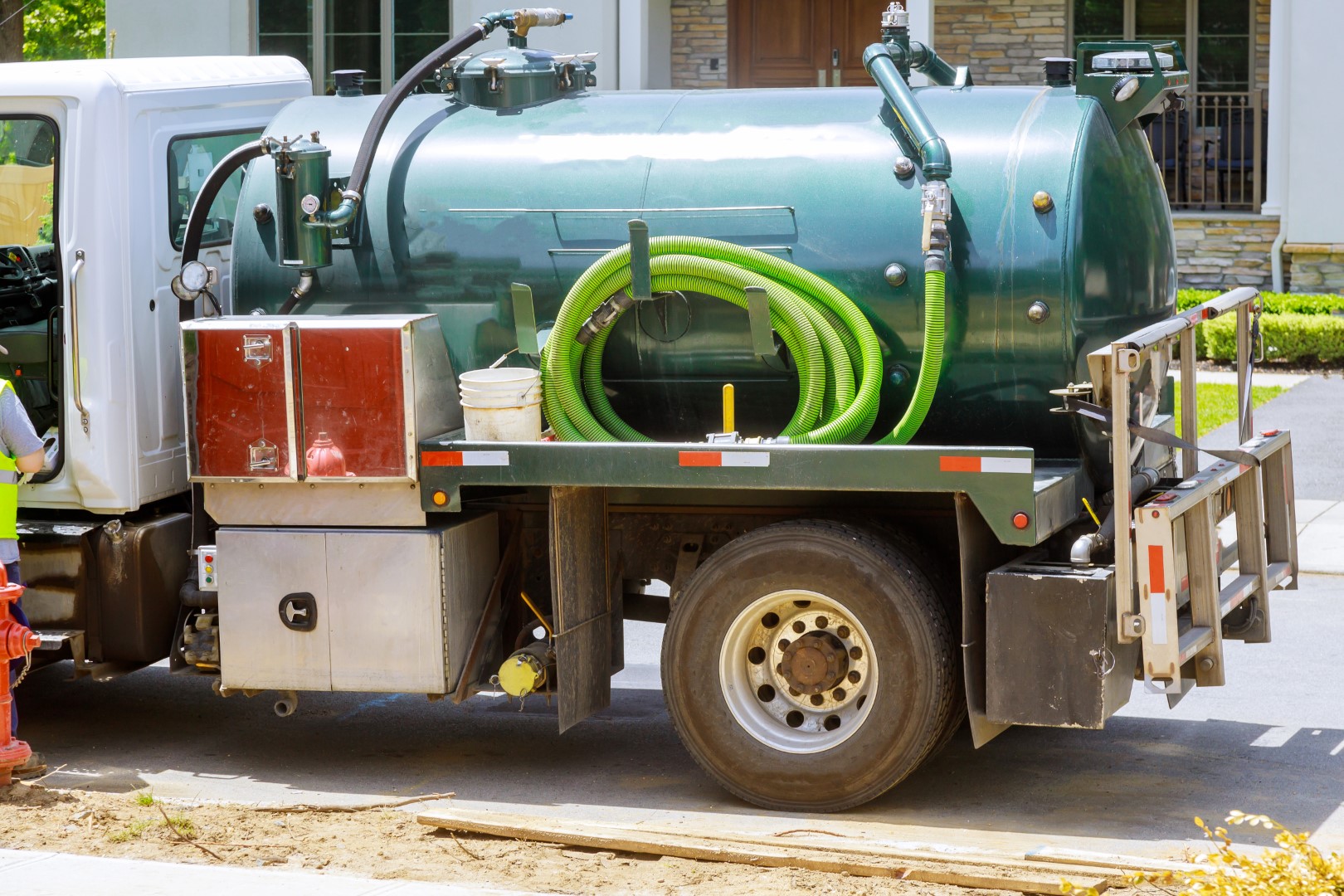
USA Septic and Sewer Cleaning brings experience and attention to detail to every project. Their team provides residential and commercial septic services, including inspections, pumping, cleanouts, sewer line services, and lift station maintenance. This full-service approach ensures systems remain reliable and efficient over time.
Making a Confident Septic System Decision
Selecting the right septic system requires careful consideration, but the process becomes manageable with the right support. Property owners should focus on soil conditions, household size, maintenance expectations, and regulatory requirements. Taking these factors into account leads to a system that performs well and protects both property and environment.
Working with experienced professionals simplifies the process and reduces long-term risks. With proper planning and routine care, a well-chosen septic system provides dependable service for decades.
Get Expert Help From USA Septic and Sewer Cleaning
If you are planning a new installation or replacing an existing system, expert guidance makes all the difference. USA Septic and Sewer Cleaning offers knowledgeable evaluations and dependable service to help you choose the right septic system for your property. Their team is committed to protecting your investment and ensuring reliable wastewater management.
Contact USA Septic and Sewer Cleaning today to schedule a consultation and take the next step toward a system you can trust.