Installing a septic system is a major investment for any property owner. However, understanding the process can make it far less overwhelming. With the right team, such as USA Septic & Sewer, you can expect a smooth, compliant, and efficient installation from start to finish. Their experienced professionals focus on quality workmanship, safety, and long-term performance for both residential and commercial properties.
This guide breaks down the septic tank installation process so you know exactly what to expect.
Septic Tank Installation Process: Initial Site Evaluation
Every successful septic tank installation begins with a thorough site evaluation. During this stage, professionals assess soil conditions, property layout, groundwater levels, and drainage capabilities.
Additionally, they determine the best location for the tank and drain field. Soil testing, often called a percolation test, helps confirm that the land can properly absorb wastewater.
These factors are critical because septic system design varies based on property size, soil type, and local environmental conditions.
Septic Tank Installation Process: Permits and Regulations
Next, permits must be secured before any work begins. Local health or environmental departments regulate septic system installations, ensuring they meet safety and environmental standards.
In many cases, your septic contractor will handle the permitting process for you. This step ensures your system complies with all codes and avoids costly issues down the road.
Working with an experienced provider like USA Septic & Sewer helps streamline this stage, ensuring everything is handled correctly and efficiently.
Septic Tank Installation Process: System Design
Once the site evaluation and permits are complete, the system design phase begins.
At this stage, professionals determine the appropriate tank size, layout, and type of system based on your household or business needs. Factors such as water usage, occupancy, and soil conditions all influence the final design.
A properly designed system is essential for long-term functionality. It ensures efficient waste breakdown and prevents future issues like backups or drainage failure.
Septic Tank Installation Process: Excavation and Preparation
After the design is finalized, excavation begins. This involves digging the area where the septic tank and drain field will be installed.
Contractors use specialized equipment to carefully excavate the site while minimizing disruption to your property.
During this phase, trenches are created for pipes, and the base for the tank is prepared to ensure stability. Excavation must be precise to support proper system performance and longevity.
Septic Tank Installation Process: Tank and Drain Field Installation
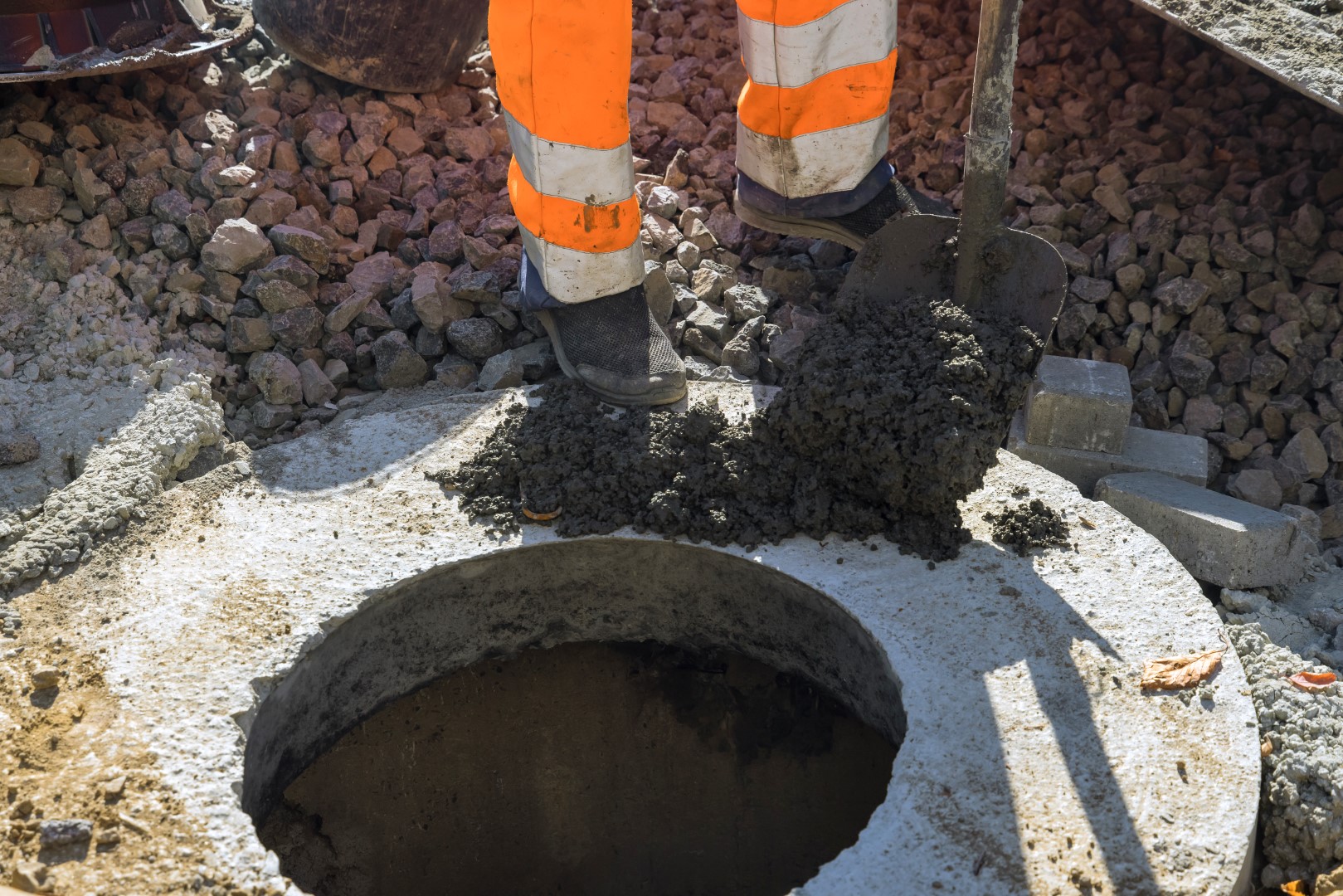
Now comes the core of the septic tank installation process. The tank is placed into the excavated area and connected to your home’s plumbing system.
Following that, the drain field, also known as a leach field, is installed. This component allows wastewater to safely filter into the soil.
Proper installation is critical at this stage. A well-installed system ensures efficient wastewater treatment and reduces the risk of environmental contamination.
Professional installers ensure everything meets local codes and is built to last for years to come.
Septic Tank Installation Process: Inspection and Testing
Before the system is covered and finalized, it must be inspected and tested.
Inspectors verify that the installation meets all local regulations and that the system functions correctly. This step may include checking pipe connections, tank placement, and drainage performance.
Passing inspection ensures your septic system is safe, compliant, and ready for long-term use.
Septic Tank Installation Process: Backfilling and Final Grading
Once approved, the system is carefully backfilled with soil. Contractors then grade the area to restore your property as closely as possible to its original condition.
Proper grading is important because it helps direct water away from the system and prevents future issues such as pooling or erosion.
Experienced teams, like USA Septic & Sewer, prioritize clean, efficient work so your property looks great once the project is complete.
Septic Tank Installation Process: Ongoing Maintenance Planning
Although installation is complete, ongoing maintenance is essential. Regular septic pumping, inspections, and proper usage habits will extend the life of your system.
Routine maintenance helps prevent costly repairs and ensures your system operates efficiently for years. Many septic systems can last 15 to 20 years or more with proper care.
USA Septic & Sewer also offers a range of services, including cleaning, repairs, and system maintenance, making them a reliable long-term partner for your septic needs.
Why Choose USA Septic & Sewer for Septic Tank Installation Process
Choosing the right company is just as important as understanding the septic tank installation process.
USA Septic & Sewer brings years of experience, licensed professionals, and a commitment to customer satisfaction. Their team delivers transparent pricing, reliable service, and high-quality workmanship on every project.
From initial evaluation to final inspection, they ensure your system is installed correctly and built for long-term performance.
Start Your Septic Tank Installation Process with Confidence
Understanding the septic tank installation process helps you feel confident and prepared for your project. From site evaluation to final grading, each step plays a critical role in ensuring a reliable and efficient system.
When you work with USA Septic & Sewer, you benefit from expert guidance, professional installation, and ongoing support.
If you’re planning a new septic system, contact us today to schedule a consultation and get started with a trusted team that prioritizes quality, compliance, and long-term results.