How Bacteria Keep Your Septic System Running Smoothly
A healthy septic system depends on its microscopic residents: bacteria. These microorganisms break down organic waste and maintain system efficiency. At USA Septic & Sewer, we know that promoting natural bacterial balance is key to protecting your home and the environment.
The Two Types of Critical Bacteria
Septic systems host two essential groups of bacteria:
-
Anaerobic bacteria, working in oxygen-free septic tanks, digest solid waste and convert it into sludge, scum, gas, and liquid effluent.
-
Aerobic bacteria, thriving in the oxygen-rich drain field, break down remaining organic matter and pathogens before treated water seeps into soil.
Together, these bacteria transform household waste into safe, filtered effluent.
Why Bacteria Matter for Septic Health
Naturally occurring bacteria prevent sludge buildup, reduce backups, and slow costly failures. Without a balanced bacterial community, solids accumulate, drains clog, odors emerge, and the system can fail prematurely. The bacteria also form a biomat layer in the drain field soil that filters and slows the effluent to allow the soil to clean it effectively.
Threats to Beneficial Bacteria
Several common practices can harm septic bacteria:
-
Overusing water—such as running multiple loads of laundry at once—dilutes bacteria and pushes them out before they digest properly.
-
Harsh cleaning products like chlorine bleach, antibacterial soaps, and chemical drain cleaners kill helpful bacteria and disrupt decomposition.
-
Flushing non-biodegradable items such as wipes, paper towels, and hygiene products causes clogs and overloads the bacterial system.
Best Practices to Support Bacterial Balance
USA Septic & Sewer recommends these practices to nurture healthy bacteria:
-
Use septic-safe cleaning products. Choose biodegradable, non-toxic options like vinegar or baking soda and avoid harsh chemicals.
-
Reduce water usage by staggering laundry and dishwasher cycles and fixing leaks to avoid flushing bacteria out prematurely.
-
Pump and inspect your tank regularly. For most households, pumping every 3–5 years supports bacterial balance and prevents sludge overload; larger or heavily used homes may need more frequent servicing.
-
Avoid antibacterial products. Even though they sound clean, they reduce the population of helpful bacteria needed for waste processing.
How USA Septic & Sewer Supports Bacterial Health
At USA Septic & Sewer, we focus on working with—not against—natural bacteria:
-
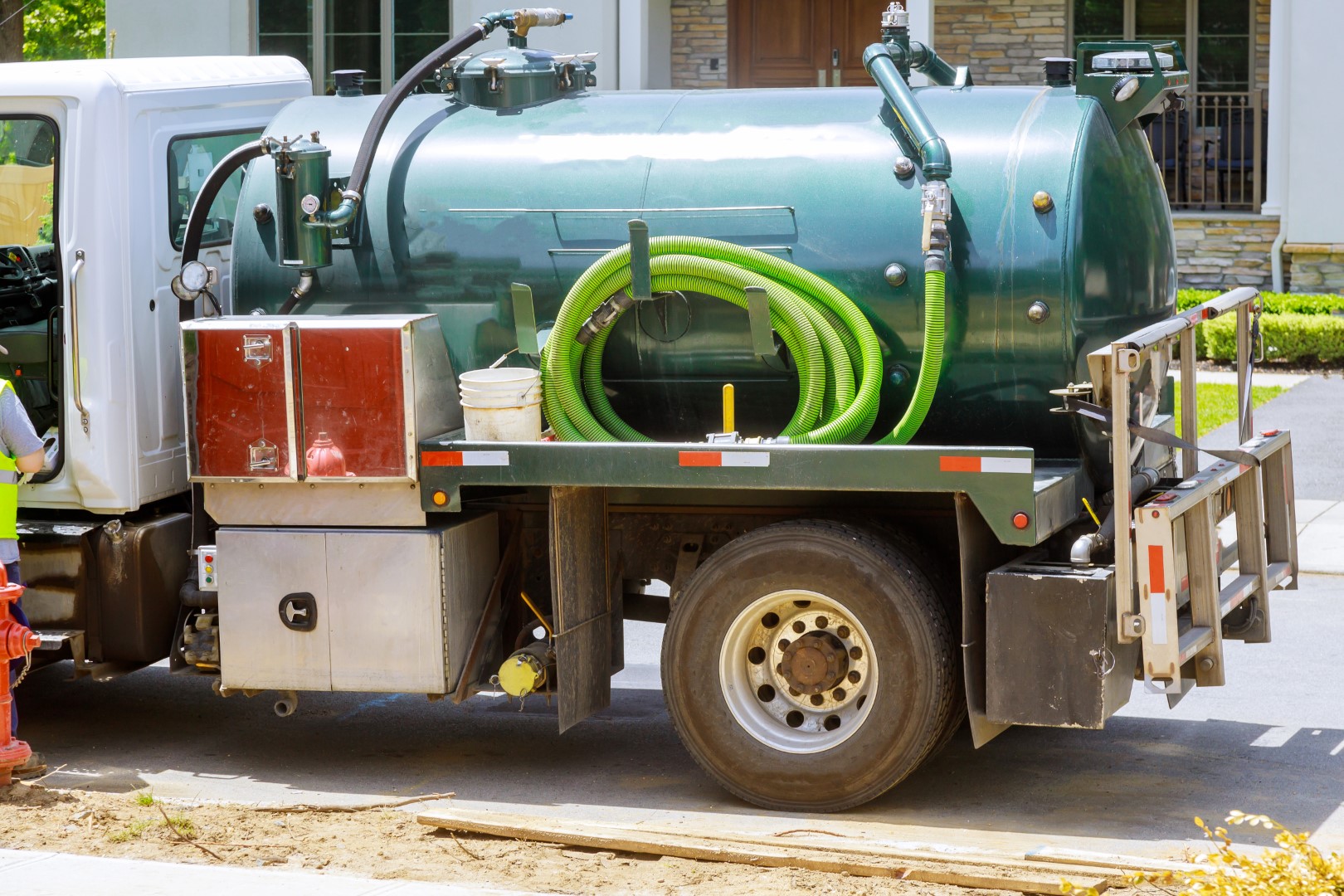
We perform professional pumping and inspections to ensure your tank remains properly balanced.
-
We advise homeowners on using septic-safe products and conserving water.
-
If your system is imbalanced, we can add bacterial boosters or enzymes to help reestablish effective microbial communities.
-
Our experts design and maintain drain fields that foster aerobic bacterial growth, preventing bioclogging in soil pores.
Long-Term Benefits of Balanced Bacterial Ecosystems
When bacterial communities in your septic system are healthy and managed naturally:
-
You avoid costly repairs or replacement of leach fields or tanks. Many septic system failures cost thousands of dollars.
-
You reduce the risk of groundwater contamination by minimizing pathogen release.
-
Your septic system stays odor-free and efficient over time.
Keeping Your Septic System Healthy: Next Steps
By understanding the role of bacteria in maintaining a healthy septic system, you’re taking the right steps to extend system lifespan and prevent costly backups. Trust USA Septic & Sewer to monitor the bacterial ecosystem, advise on safe habits, and care for your system with expertise.
If you’d like help assessing your septic system’s bacterial balance or scheduling maintenance, contact us today. Our team is here to help.