Installing the right wastewater system matters significantly for homeowners. In this post for USA Septic & Sewer, we will explain septic systems versus sewer systems. We also highlight what sets USA Septic & Sewer apart as your trusted provider.
What Is a Septic System?
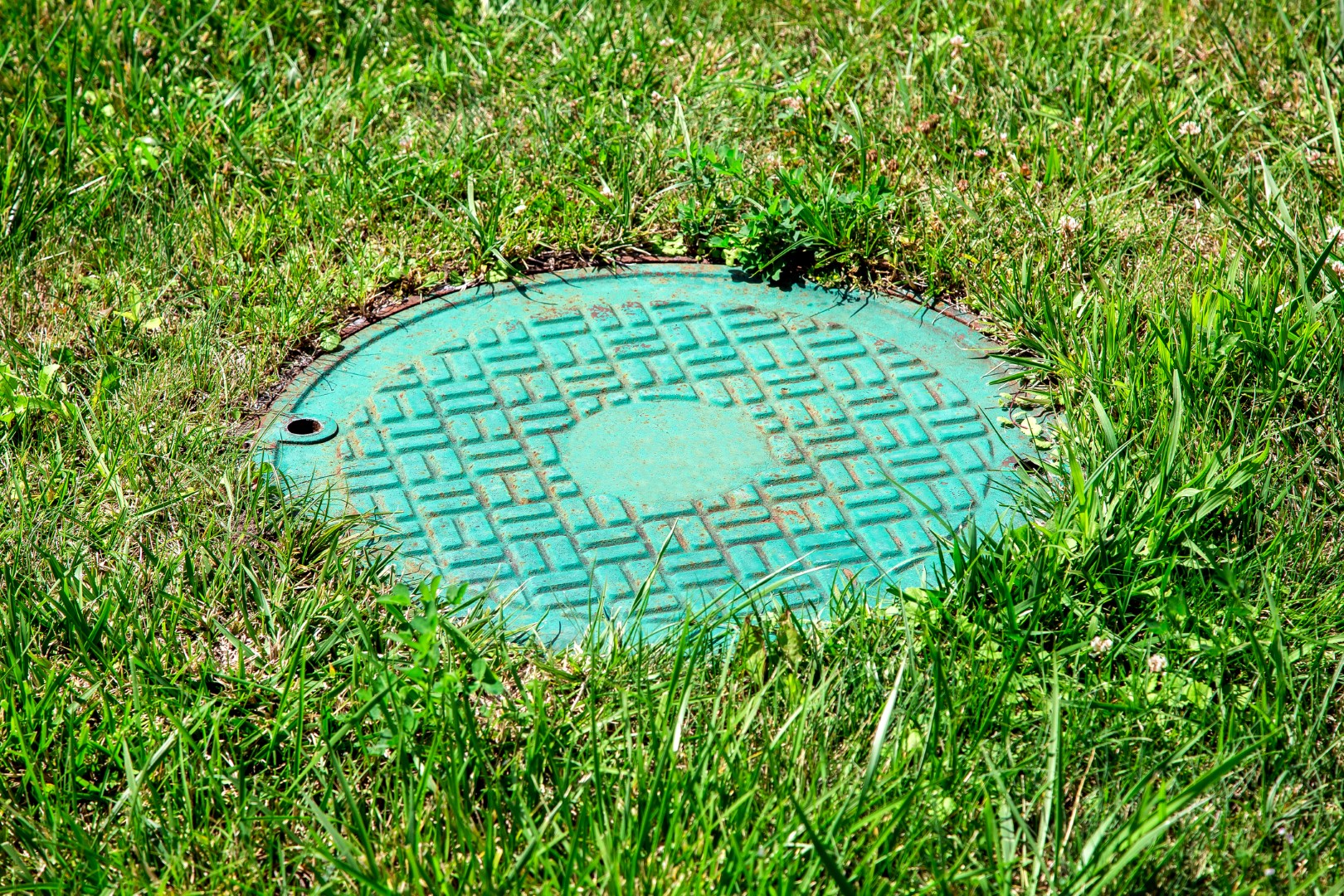
A septic system treats and disposes of wastewater on the property itself. It includes a buried septic tank made of concrete, fiberglass, or polyethylene. Waste enters the tank, where bacteria separate it into solids (sludge), scum (oils & grease), and liquid (effluent). The effluent flows into a drain field—perforated pipes in soil that naturally filter contaminants.
Septic systems are common in rural or semi‑rural areas not served by municipal sewer, and they treat wastewater onsite—making them ideal for homes with sufficient land and healthy soil.
What Is a Sewer System?
In contrast, a sewer system (municipal or public sewer) conveys wastewater from homes and businesses via underground pipes to a central treatment plant. Purely sanitary sewer pipes carry only wastewater, not stormwater; older systems may be combined sewers that carry stormwater too, which can cause overflow issues during heavy rainfall.
Municipal sewer is available in higher‑density areas and scales better to larger customer bases—supporting many homes within a common network.
Key Differences Between Septic and Sewer Systems
Treatment Location
Septic systems treat wastewater onsite at your property. Sewer systems transport wastewater offsite to a centralized plant.
Availability
Sewer service is typically available in subdivisions and urban neighborhoods. Septic systems operate independently, so they’re installed even in remote areas where system infrastructure doesn’t exist.
Cost Considerations
Septic installation ranges from about $6,000 to $15,000 depending on size and soil conditions. Homeowners may pay hookup fees and connection costs for sewer service, often $5,000 to $20,000 or more, depending on municipality policies and subsidies.
Ongoing costs vary too. Septics need pumping every 3–5 years—typically $300‑$600 per service depending on tank size and location. Sewer customers pay monthly or quarterly sewage utility charges, and possibly inspection or repair costs.
Maintenance and Responsibility
Homeowners are responsible for septic care: pumping regularly, avoiding flushing wipes or grease, and arranging inspections & repairs. Municipal agencies maintain sewer infrastructure; homeowners only manage internal plumbing.
Environmental Impact
A well‑maintained septic system uses natural bacteria and soil filtration to treat effluent, often creating less environmental impact than energy‑intensive sewer plants. However, if improperly sited or failing, septics can contaminate groundwater with nitrogen or phosphates.
Sewage treatment plants use chemicals and energy but treat wastewater more thoroughly before discharge, preventing contamination more reliably.
Pros and Cons of Each System
Advantages of Septic Systems
- Lower long‑term costs if properly maintained
- Independence from municipal infrastructure
- Natural treatment using soil and bacteria
- Reliable for rural areas with sufficient space
Disadvantages of Septic Systems
- Requires regular inspections and pumping
- Risk of failure if overloaded or misused
- Not suitable for dense development or shallow soil
- Replacement or repairs can cost up to $15,000 or more
Advantages of Sewer Systems
- No need for a septic tank or drain field
- Easy household connection and low user‑level maintenance
- Handles high waste volumes reliably in urban settings
- Centralized treatment reduces localized environmental risk
Disadvantages of Sewer Systems
- Monthly fees and possible service charges
- Dependence on city system and policies
- Installation and hookup costs can be high
- Combined systems may lead to overflow pollution problems during storms
Choosing the Right System
If you live outside municipal service zones or your lot is at least 1–1.5 acres with suitable soil, a septic system may be viable and cost‑effective. Ensure you plan space for a drain field and follow permit regulations. For existing homes on sewer service, connection is often simpler, provided you understand local fees and utility terms.
Why Choose USA Septic & Sewer?
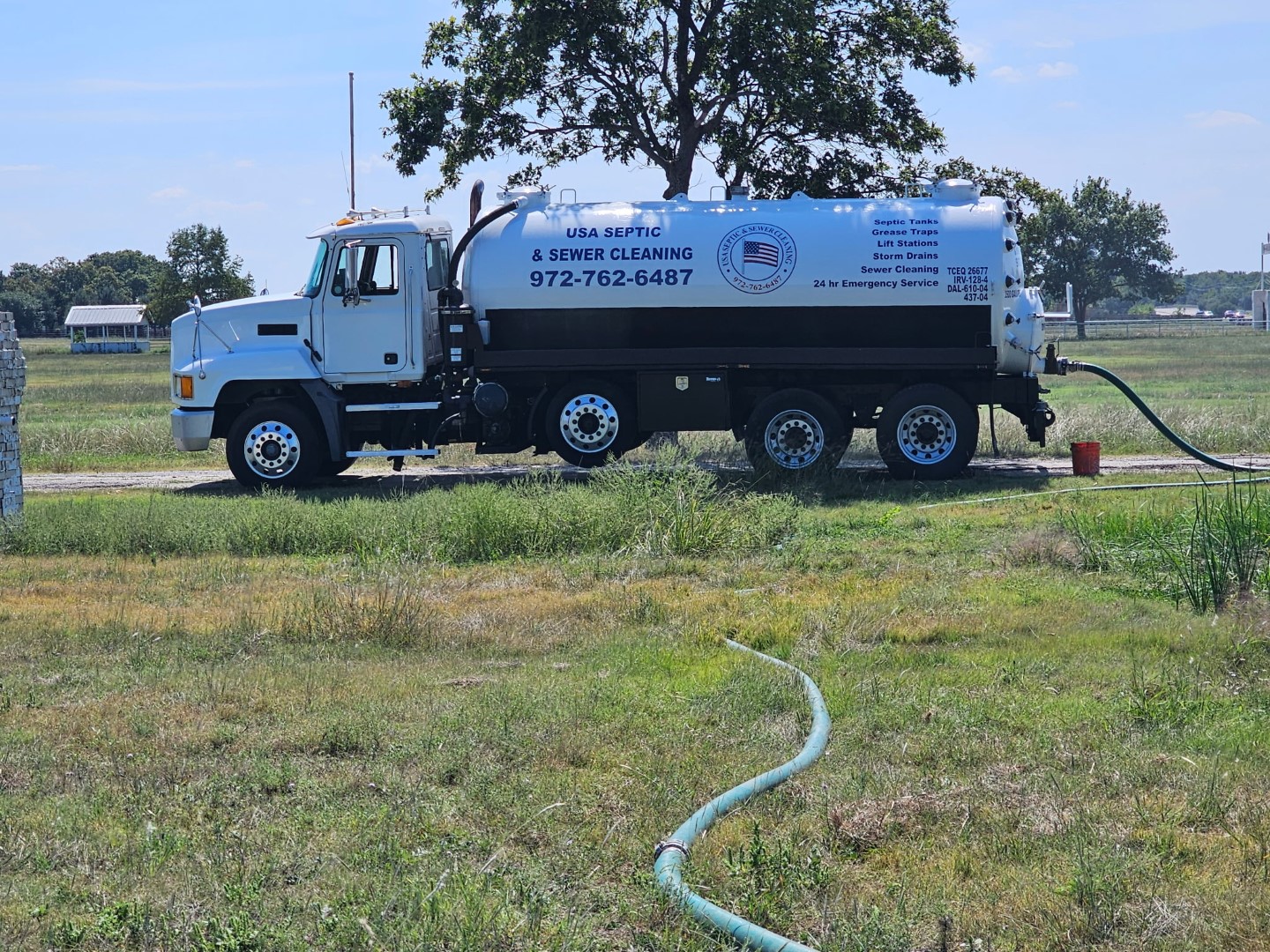
USA Septic & Sewer brings skilled expertise in both septic and sewer solutions. Whether you need installation, pumping, inspection, or system upgrades, our team handles it efficiently and professionally. We guide you step‑by‑step, from permitting through long‑term maintenance. You’ll benefit from clear communication, reliable scheduling, and fair pricing.
We also help homeowners decide whether to stay on septic or connect to sewer. Our local knowledge ensures that your system meets state regulations, supports environmental protection, and fits your long‑term property needs.
Let USA Septic & Sewer be your support whether you depend on septic or municipal sewer service.
Your Next Steps Toward Reliable Wastewater Service
Ready to determine which system suits your home? Contact USA Septic & Sewer to schedule an on‑site evaluation. We assess your lot, soil, system type, and municipal options. Our experts help you compare costs, system requirements, and maintenance routines.
With proactive care and the right partner, you’ll enjoy seamless wastewater service—for years to come.
Want to learn more about septic service, sewer connections, or routine pumping schedules? USA Septic & Sewer is just a call away. We offer personalized consultations and professional support for homeowners nationwide.
Contact us today to get started.