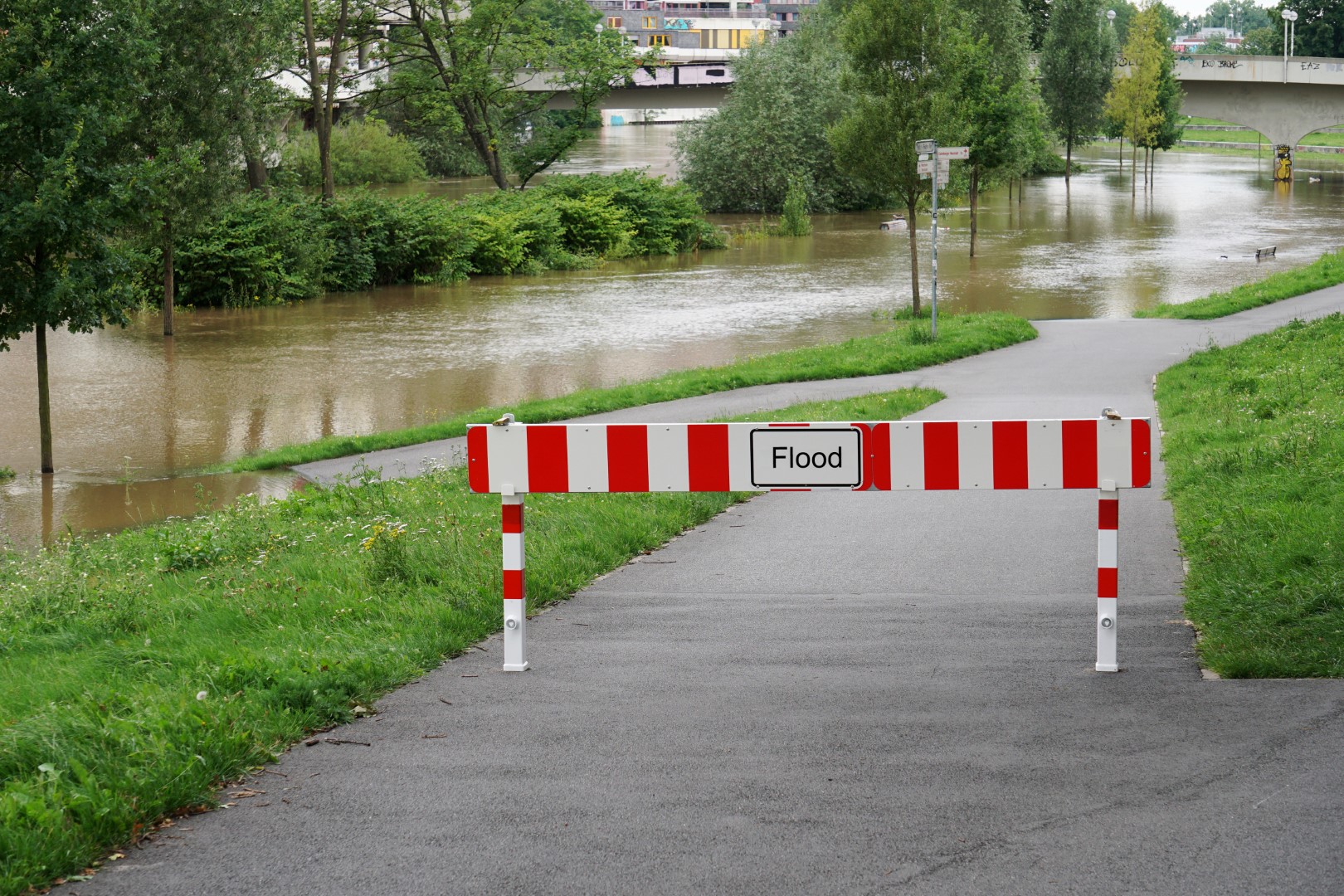
Heavy rain and flooding can cause serious problems for septic and sewer systems, especially when the ground becomes saturated. For Dallas-area homeowners and businesses, severe storms can lead to wastewater backups, drainage problems, and unexpected repairs. Understanding how heavy rain affects septic and sewer systems can help you recognize warning signs and prevent costly damage.
Fortunately, proper maintenance and timely professional service can reduce these risks. USA Septic and Sewer Cleaning provides septic tank pumping, inspections, repairs, and sewer services throughout the Dallas, TX, area.
How Heavy Rain Affects Septic Systems
Septic systems rely on underground tanks and drain fields to collect, treat, and disperse wastewater. Under normal conditions, wastewater moves from the septic tank into surrounding soil for additional treatment.
However, heavy rainfall can disrupt this process.
When the ground becomes saturated, the drain field cannot absorb wastewater effectively. Consequently, wastewater may accumulate inside the system, causing slow drains, backups, or pooling water.
Additionally, flooding can introduce unwanted water into septic tanks through damaged lids, openings, or compromised components.
Common problems caused by excessive rainfall include:
- Saturated drain fields: Waterlogged soil prevents wastewater from dispersing properly.
- Septic tank backups: Increased pressure can force wastewater back toward household drains.
- System contamination: Floodwater may carry debris and sediment into septic components.
- Damaged equipment: Flooding can affect pumps, electrical connections, and other mechanical components.
- Wastewater surfacing: An overwhelmed system may release untreated wastewater onto surrounding property.
These problems can become especially concerning when storms produce prolonged flooding.
How Flooding Can Impact Sewer Lines
Properties connected to municipal sewer systems can also experience problems during heavy rainfall.
Although sanitary sewers typically carry wastewater separately from stormwater, excessive rain can still enter through damaged pipes and connections. This additional water can overwhelm portions of the sewer network.
Furthermore, existing sewer line problems may become more noticeable during severe storms.
Cracked pipes, root intrusion, and accumulated debris can restrict wastewater flow. When heavy rain increases system pressure, these restrictions may contribute to backups.
Homeowners and business owners should watch for several warning signs:
- Multiple drains slowing down simultaneously
- Gurgling sounds coming from toilets or drains
- Sewage odors around plumbing fixtures
- Wastewater backing up into showers or floor drains
- Recurring sewer clogs following heavy rainfall
If these problems occur, professional sewer line cleaning or repairs may be necessary.
USA Septic and Sewer Cleaning helps Dallas-area property owners identify sewer problems and restore proper wastewater flow.
Why Lift Stations Are Vulnerable During Heavy Rain
Lift stations move wastewater from lower elevations to higher collection points using specialized pumps.
These systems play an important role in many commercial properties, municipal facilities, and certain residential wastewater systems.
Unfortunately, heavy rainfall and flooding can place additional demands on lift station equipment.
Excessive water entering the system may increase pump activity and contribute to mechanical problems. Additionally, floodwater can damage electrical components or introduce debris into collection chambers.
Potential warning signs include unusual pump noises, malfunctioning alarms, unpleasant odors, and repeated wastewater backups.
USA Septic and Sewer Cleaning provides lift station cleaning, maintenance, and repair services throughout the Dallas area.
Professional maintenance helps identify developing equipment problems before they cause more significant disruptions.
What Should You Do if Your Septic System Floods?
If flooding affects your septic system, taking appropriate precautions can help protect your property and health.
First, reduce household water consumption as much as possible. Avoid unnecessary laundry, lengthy showers, and excessive toilet flushing.
If your drain field is flooded or saturated, avoid using the system until conditions improve.
Next, keep vehicles and heavy equipment away from the drain field. Driving across saturated soil can cause compaction and further reduce its ability to absorb wastewater.
Additionally, avoid opening septic tanks or attempting repairs yourself. Septic systems contain hazardous gases and potentially harmful wastewater.
Importantly, do not pump a septic tank while the surrounding soil remains flooded or saturated. Removing its contents under these conditions can cause the tank to shift or float.
Instead, contact a qualified septic professional to evaluate the situation. Once groundwater conditions allow, an inspection can determine whether pumping, cleaning, or repairs are necessary.
If sewage enters your home, avoid direct contact and seek professional assistance.
How to Protect Septic and Sewer Systems Before Heavy Rain
While severe weather cannot always be predicted, preventative maintenance can help reduce the likelihood of wastewater emergencies.
Schedule Routine Septic Tank Inspections
Regular septic inspections help identify damaged components, excessive waste accumulation, and developing drainage problems.
Additionally, routine septic tank pumping removes accumulated solids before they interfere with system performance.
However, pumping schedules depend on tank size, household usage, and other factors. A professional can recommend an appropriate maintenance schedule.
Keep Stormwater Away From Your Drain Field
Proper drainage helps prevent unnecessary water from accumulating around septic components.
For example, gutters and downspouts should direct rainwater away from septic tanks and drain fields.
Likewise, property owners should avoid directing sump pump discharge or surface runoff toward these areas.
Address Sewer Line Problems Early
Minor sewer problems can become more disruptive during periods of heavy rainfall.
Therefore, recurring clogs, slow drains, and unusual plumbing noises deserve prompt attention.
Professional sewer line inspections can help identify blockages, damaged pipes, and other conditions that require repair.
Maintain Lift Stations and Pumps
Businesses and properties with lift stations should prioritize regular equipment maintenance.
Cleaning accumulated debris, inspecting pumps, and checking alarms can help maintain dependable operation.
Additionally, professional inspections can identify vulnerable components before severe weather creates additional problems.
When Should You Call for Emergency Septic or Sewer Service?
Not every drainage issue requires emergency repairs. However, certain symptoms suggest a problem that needs immediate professional attention.
Contact a septic or sewer professional when wastewater backs up into your property, sewage appears outdoors, or multiple plumbing fixtures stop draining.
Likewise, persistent septic alarms and malfunctioning lift station pumps should never be ignored.
These situations can expose occupants to harmful wastewater and potentially cause significant property damage.
USA Septic and Sewer Cleaning offers 24/7 emergency services for residential and commercial customers in the Dallas area.
Their experienced technicians provide septic inspections, tank pumping, repairs, sewer line services, and lift station maintenance.
Protect Your Property With Professional Septic and Sewer Services in Dallas
Heavy rain and flooding can expose existing wastewater system problems and create new ones. Fortunately, proactive maintenance and prompt repairs can help protect your home or business.
Whether you’re experiencing sewer backups, septic drainage problems, or lift station malfunctions, professional assistance can make a difference.
USA Septic and Sewer Cleaning provides reliable septic and sewer services in Dallas, TX, and surrounding communities. Their team offers inspections, cleaning, pumping, repairs, and emergency assistance to help keep wastewater systems operating properly.
Contact us today to schedule septic or sewer service. Let USA Septic and Sewer Cleaning help protect your property before the next major storm.