Sewer problems can be difficult to diagnose because most of your sewer line sits underground. Fortunately, a professional sewer camera inspection can provide a clearer look inside the pipe without unnecessary digging.
A sewer camera inspection uses specialized video equipment to examine the interior of a sewer line. As a result, technicians can gather information about blockages, damage, buildup, and other potential problems. This helps property owners better understand what may be happening before deciding on the next step.
For Dallas-area homeowners and businesses experiencing sewer problems, knowing what to expect can make the inspection process easier. Here is a step-by-step look at how a professional sewer camera inspection typically works.
What Is a Sewer Camera Inspection?
A sewer camera inspection involves feeding a small waterproof camera through a sewer or drain line. The camera sends live video back to the technician as it travels through the pipe.
Therefore, technicians can visually examine areas that would otherwise remain hidden underground. Depending on the conditions, an inspection may reveal buildup, obstructions, root intrusion, cracks, damaged sections, or other concerns.
Most importantly, the process can help professionals gather more information before recommending cleaning or repair options.
Step 1: Discussing the Sewer Problem
A professional sewer camera inspection usually begins with a discussion about the symptoms you have noticed.
For example, you may have recurring clogs, slow drains, sewage backups, unusual odors, or gurgling fixtures. The technician may also ask when the problem started and whether previous cleaning has been performed.
These details provide useful context. Additionally, they can help determine where the inspection should begin and which sections deserve closer attention.
Step 2: Locating an Appropriate Access Point
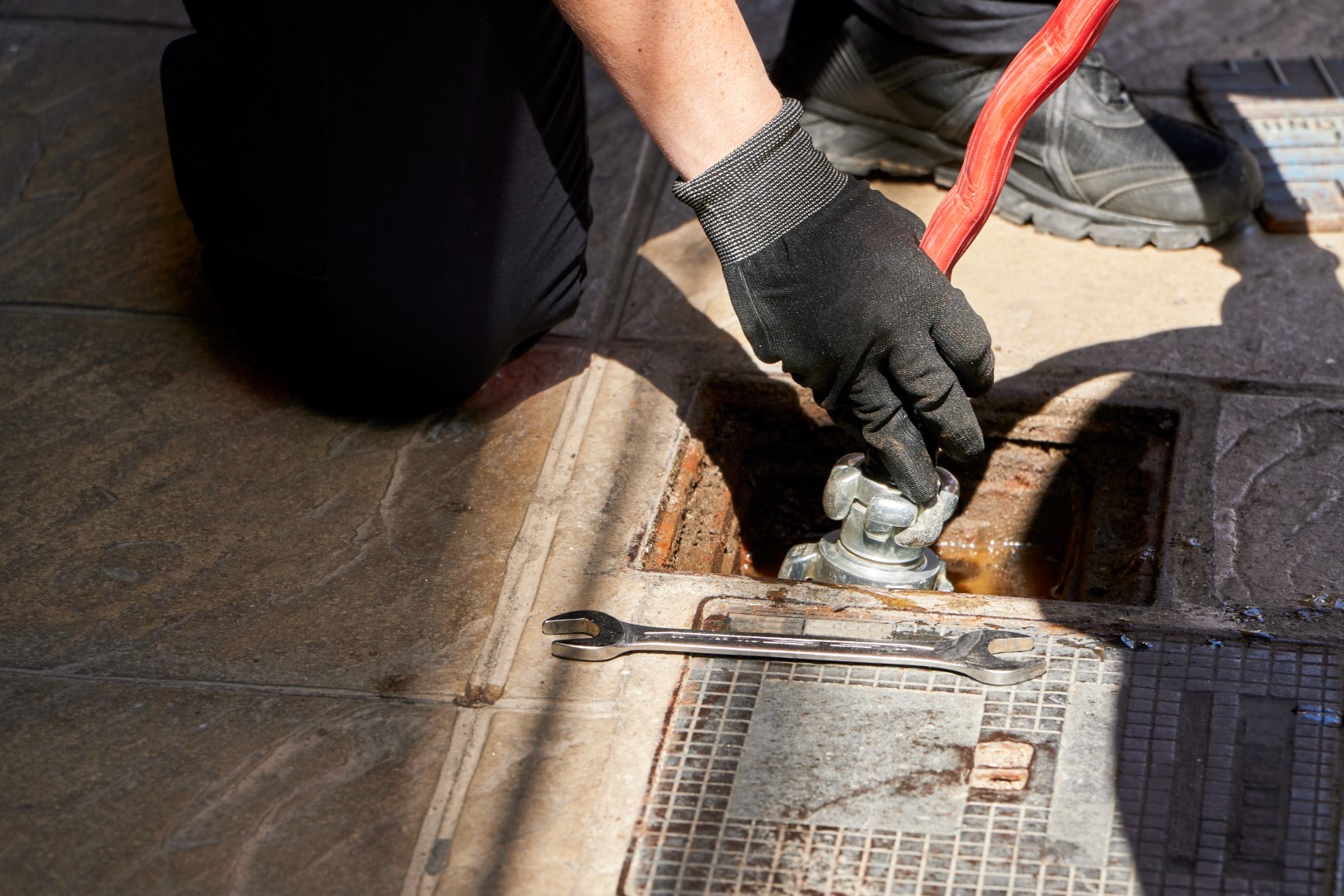
Next, the technician needs access to the sewer line. Depending on the property’s plumbing system, an existing sewer cleanout may provide a convenient entry point.
Using an appropriate access point allows the camera to travel through the line while minimizing disruption to the property. However, every plumbing system is different. Therefore, technicians must evaluate the layout before beginning the inspection.
Professional experience matters during this stage because proper access can make the inspection more effective.
Step 3: Feeding the Camera Through the Sewer Line
Once access is established, the technician carefully feeds the sewer camera into the pipe.
The camera sits at the end of a flexible cable designed to move through sewer lines. As the camera advances, it transmits video footage of the pipe’s interior.
Meanwhile, the technician watches the footage in real time. This provides a much better understanding of conditions inside the sewer line than relying on symptoms alone.
A professional sewer camera inspection can be especially useful when a sewer problem keeps returning after temporary fixes.
Step 4: Looking for Signs of Sewer Line Problems
As the camera moves through the pipe, the technician watches for anything that could interfere with wastewater flow or affect the sewer line.
Potential concerns may include:
- Heavy grease or debris buildup
- Tree root intrusion
- Cracked or damaged pipe sections
- Pipe deterioration
- Obstructions or foreign objects
- Areas where wastewater is not flowing properly
- Conditions that could contribute to recurring blockages
However, a camera inspection does not automatically mean that every visible condition requires major repairs. Instead, the footage gives the technician additional information for evaluating the situation.
That distinction can help property owners avoid guessing about a hidden sewer problem.
Step 5: Identifying the Likely Problem Area
If the inspection reveals a potential issue, the technician can focus on where it appears within the sewer line.
This information is valuable because sewer problems are not always located directly beneath the fixture showing symptoms. For instance, several slow drains could result from a restriction farther along the main sewer line.
Therefore, identifying the likely trouble area can help technicians determine an appropriate response.
In some cases, professional sewer line cleaning may address the problem. In others, additional evaluation or repair may be necessary.
Step 6: Reviewing the Findings
After the sewer camera inspection, the technician can explain what the inspection revealed.
This is an important part of the process. Rather than simply knowing that a sewer problem exists, property owners can better understand what may be causing it.
Additionally, the findings may help determine whether cleaning, maintenance, further investigation, or sewer line repairs should come next.
A professional inspection should provide useful information that helps guide the next decision instead of relying on trial and error.
When Should You Consider a Sewer Camera Inspection?
Not every slow drain requires a camera inspection. However, certain problems may justify taking a closer look inside the sewer line.
Recurring sewer backups are one example. Likewise, repeated clogs that return after cleaning may indicate a deeper issue.
You may also want professional evaluation if multiple drains begin having problems at the same time. Additionally, unusual sewer odors or ongoing drainage issues can signal a problem farther inside the system.
The right approach depends on the property and the symptoms. Therefore, having an experienced sewer professional evaluate the situation is often the best starting point.
Can a Sewer Camera Inspection Help Prevent Unnecessary Work?
One major advantage of a sewer camera inspection is the additional information it can provide before work begins.
Without seeing inside the sewer line, diagnosing some problems can involve uncertainty. Camera footage may help narrow down the cause and location of the issue.
Consequently, professionals can make more informed recommendations regarding cleaning or repairs. Property owners also gain a clearer understanding of why a particular service may be recommended.
That can be especially valuable when dealing with recurring sewer problems or an older plumbing system.
Trust USA Septic & Sewer With Your Sewer Line Needs
Sewer problems can become disruptive quickly. Therefore, addressing recurring backups, clogs, and drainage issues early can help prevent a larger headache.
USA Septic & Sewer Cleaning provides professional sewer line cleaning and repair services for residential and commercial customers in the Dallas area. Their experienced team uses professional equipment and proven methods to address sewer line concerns efficiently.
Whether you have a stubborn blockage or another sewer issue, getting the right information is an important first step. A professional evaluation can help determine whether cleaning, inspection, or repairs are appropriate for your property.
If you are experiencing sewer line problems, contact us at USA Septic & Sewer Cleaning. Their knowledgeable team can evaluate your situation and help determine the right next step for your sewer system.