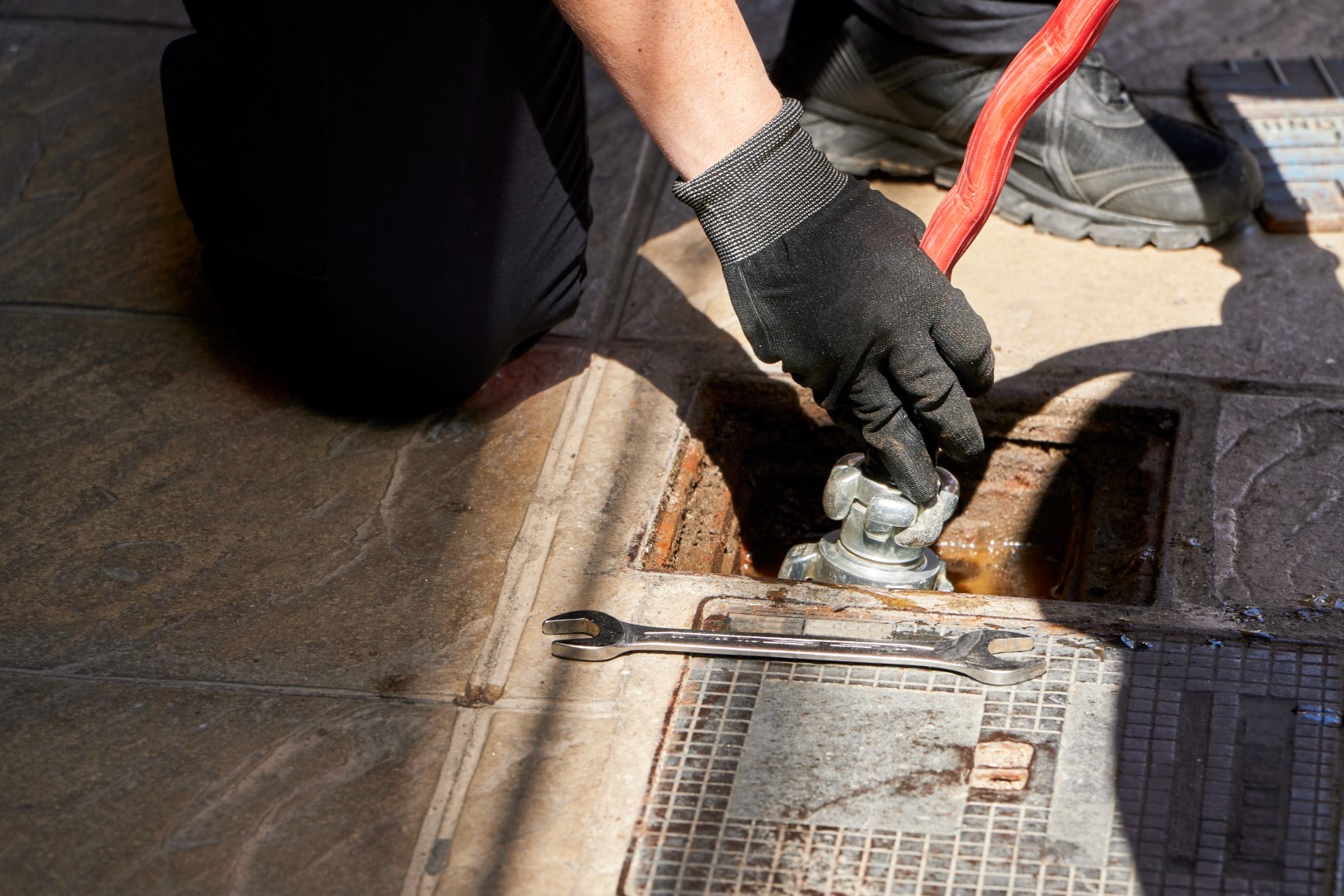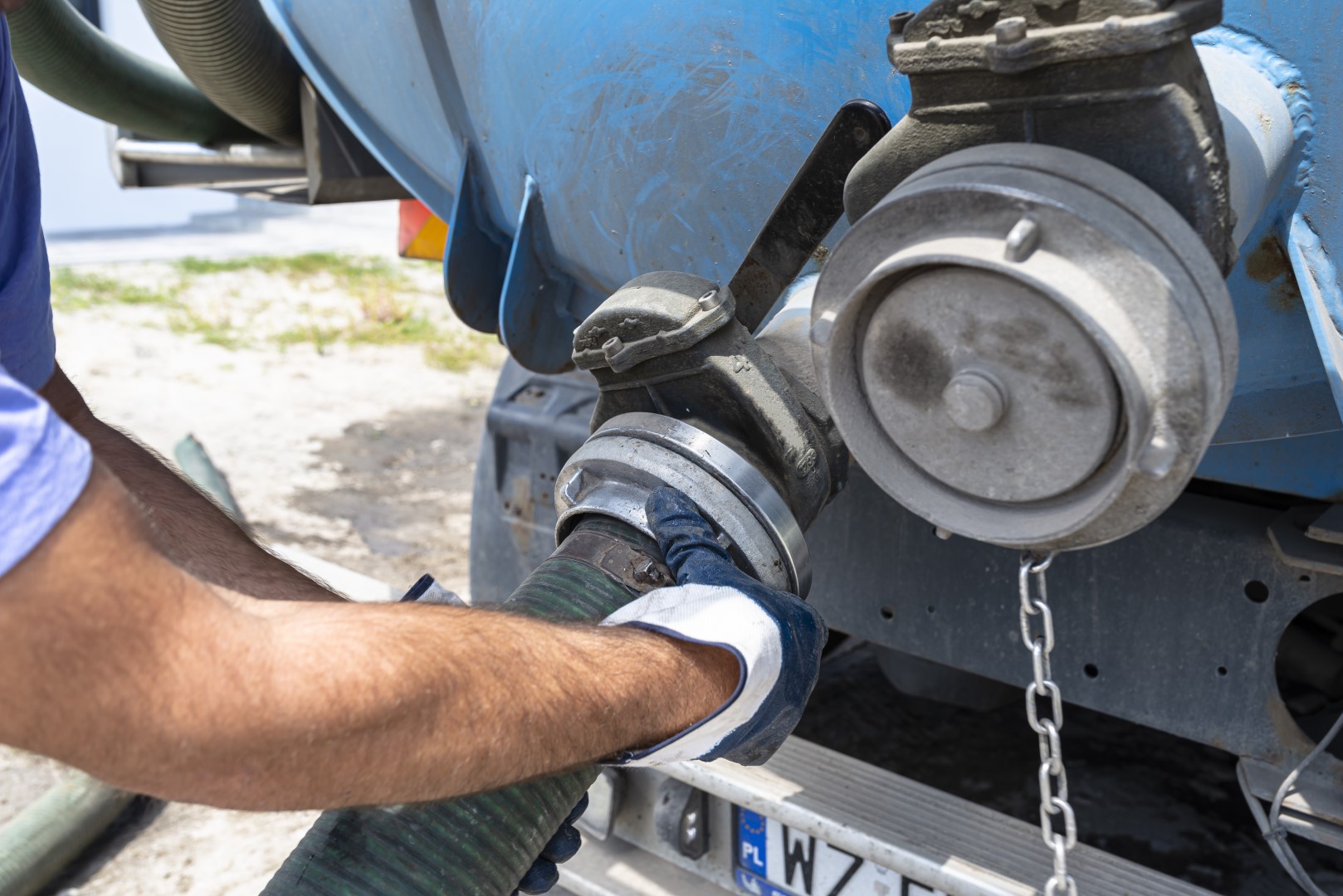
Following the right septic tank pumping schedule can improve performance, prevent emergencies, and extend your system’s usable life. However, many property owners wait until drains slow down or sewage begins backing up. By that point, the tank may already be placing unnecessary pressure on the drain field.
Septic tank pumping is not simply a response to a full tank. Instead, it is an essential form of preventative maintenance. Timely service removes accumulated waste before it can damage other parts of the system.
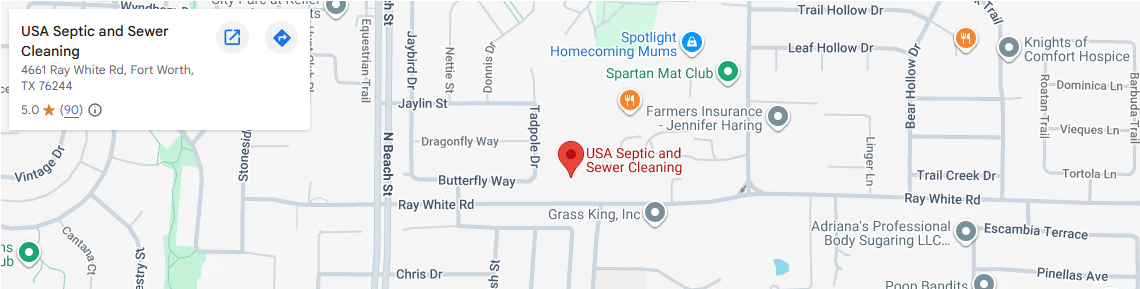
USA Septic & Sewer Cleaning provides professional septic tank pumping for homes and businesses throughout the Dallas-Fort Worth area. With experienced technicians and modern equipment, the team helps property owners keep their systems operating smoothly, efficiently, and safely.
Why a Septic Tank Pumping Schedule Matters
Every septic system separates household or commercial wastewater into different layers. Heavy solids settle at the bottom and create sludge. Meanwhile, oils, grease, and lighter materials rise to the top and form a scum layer.
The liquid between these layers flows toward the drain field for further treatment. However, sludge and scum continue accumulating inside the tank.
Eventually, these materials reduce the tank’s available capacity. As a result, wastewater may move through the system too quickly. Solids can then escape into the drain field, where they may clog pipes and surrounding soil.
A consistent septic tank pumping schedule removes these materials before they reach dangerous levels. Therefore, regular pumping protects both the tank and the drain field.
How Often Should a Septic Tank Be Pumped?
Many household septic tanks require pumping approximately every three to five years. However, this range is only a general starting point.
Your ideal septic tank pumping schedule depends on several important factors:
- The size of your septic tank
- The number of people using the system
- The amount of wastewater generated
- The volume of solids entering the tank
- Whether the property uses a garbage disposal
- The age and condition of the system
- Whether the property is residential or commercial
For example, a large family using a smaller tank may need service more frequently. Likewise, restaurants, offices, rental properties, and other busy facilities can place greater demands on their systems.
Therefore, property owners should not rely only on a calendar. A professional inspection can help determine whether the tank is approaching its safe capacity.
What Happens When Pumping Is Delayed?
Delaying septic tank pumping may seem like a way to reduce maintenance costs. Unfortunately, postponed service can lead to much more expensive problems.
As solids accumulate, the tank has less room to separate and treat wastewater. Consequently, waste can move into areas that should remain protected.
Common results of delayed pumping include:
- Slow sinks, showers, and toilets
- Gurgling sounds inside plumbing fixtures
- Sewage odors indoors or outdoors
- Wastewater backups
- Standing water near the tank or drain field
- Excessively green grass above the system
- Clogged drain field pipes
- Premature system failure
Once solids enter the drain field, pumping the tank may not solve the entire problem. Additional cleaning, repairs, or drain field work may become necessary.
For that reason, preventative pumping is usually more convenient and affordable than emergency restoration.
How Timely Pumping Improves Septic Performance
A properly maintained tank has enough space to separate solids from wastewater. Therefore, the system can complete its treatment process more effectively.
Timely pumping also helps wastewater move through the tank at the intended rate. This reduces the chance that untreated solids will reach the outlet or drain field.
In addition, pumping gives technicians an opportunity to observe accessible system components. They may identify damaged lids, leaks, clogged pipes, or abnormal waste levels before those concerns become emergencies.
USA Septic & Sewer Cleaning provides pumping, inspections, repairs, and other septic services. As a result, customers can address immediate maintenance needs while gaining a clearer picture of their system’s overall condition.
Why Pumping Helps Extend System Longevity
The drain field is one of the most important and costly parts of a septic system. Unlike a tank, it cannot simply be emptied when solids accumulate.
When sludge reaches the drain field, it can clog the soil and prevent wastewater from dispersing properly. Over time, this damage may reduce the field’s treatment capacity.
Regular septic tank pumping protects the drain field by keeping excess solids inside the tank until professionals remove them. Consequently, the entire system experiences less stress.
Routine maintenance can also reduce wear on pumps, alarms, pipes, and other mechanical components. Although no septic system lasts forever, responsible care can help prevent avoidable damage and early replacement.
Signs You May Need Pumping Ahead of Schedule
Even properties with an established septic tank pumping schedule should watch for changes in performance.
Contact a professional when you notice persistent slow drains, foul odors, plumbing noises, sewage backups, or wet areas near the system. Additionally, schedule service before hosting extended guests or completing projects that will sharply increase water usage.
Changes in household size can also affect pumping frequency. For instance, adding residents increases both wastewater volume and solid accumulation.
Commercial properties should pay especially close attention to changing usage. Business growth, new equipment, or increased customer traffic may require a revised maintenance schedule.
Protect Your System Between Pumping Appointments
Professional pumping works best when combined with responsible daily habits.
First, avoid flushing wipes, hygiene products, paper towels, or other non-degradable materials. Even products marketed as flushable may remain inside the tank and increase solid buildup.
Next, keep fats, oils, and grease out of sinks. These substances can harden and contribute to clogs.
Additionally, spread laundry loads throughout the week instead of running several loads in one day. Fix leaking toilets and faucets promptly to prevent excess water from overloading the system.
Finally, keep vehicles, heavy equipment, and permanent structures away from the tank and drain field. Their weight can damage buried components or compact the soil.
Schedule Professional Septic Tank Pumping in Dallas-Fort Worth
The right septic tank pumping schedule protects your property, supports reliable wastewater treatment, and helps reduce the risk of costly emergencies. More importantly, proactive service can preserve the tank, drain field, and connected components for years.
USA Septic & Sewer Cleaning serves residential and commercial customers throughout Dallas and the surrounding area. Their experienced professionals use modern equipment to provide efficient pumping, inspections, repairs, and emergency septic support.
Do not wait for a backup or foul odor to reveal an overloaded tank. Contact USA Septic & Sewer Cleaning today to schedule septic tank pumping or request a professional system evaluation.